The Dialysis Department is a specialized unit within a hospital that focuses on the diagnosis, treatment, and management of kidney diseases and disorders. It plays a vital role in providing comprehensive care to patients with renal conditions, including acute and chronic kidney diseases, end-stage renal disease (ESRD), and kidney failure. The department offers services such as:Diagnosis and treatment of kidney diseases: Nephrologists evaluate patients with symptoms such as kidney dysfunction, abnormal blood tests, high blood pressure, or proteinuria (protein in the urine). They diagnose the underlying cause and develop appropriate treatment plans.
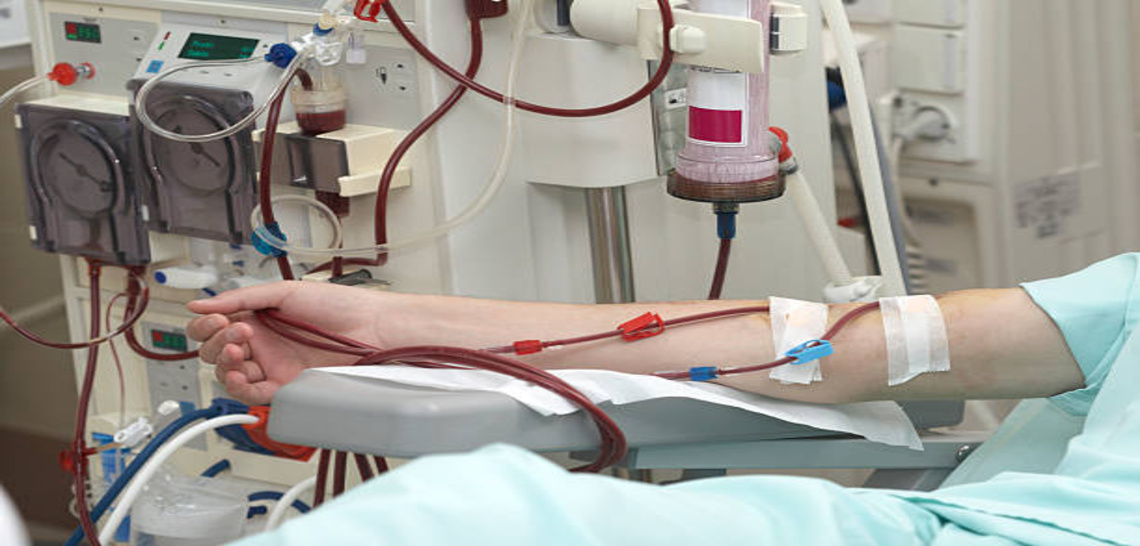
Dialysis Services: The department provides both hemodialysis and peritoneal dialysis treatments for patients with ESRD, helping to remove waste products and excess fluid from the blood when the kidneys are no longer functioning adequately.
Medication Management: Nephrologists prescribe medications to manage kidney diseases, control blood pressure, maintain electrolyte balance, and prevent complications associated with kidney disorders.
Chronic Kidney Disease (CKD) Management: The department focuses on slowing disease progression, managing symptoms, and addressing complications.
Patient Education and Support: The department educates patients and their families about kidney disease management, dialysis treatments, dietary restrictions, and lifestyle modifications. They also provide counseling and support services to help patients cope with the challenges of living with kidney diseases.
Overall, the Dialysis Department in a hospital is dedicated to improving patients' quality of life, managing kidney diseases effectively, and providing the necessary support for optimal renal health





 By
By 02 Comment